
Tornado Cash Developer Faces Legal Setback
📚 Browse by Category
In the latest legal confrontation involving the cryptocurrency sector, the U.S. Department of Justice (DOJ) has rejected a motion to dismiss charges against Roman Storm, a co-founder of Tornado Cash. This decision underscores the ongoing regulatory scrutiny over decentralized finance (DeFi) platforms and their developers.
DOJ's Stand on Tornado Cash
Roman Storm, a pivotal figure in the development of Tornado Cash, sought dismissal of charges levied against him by referencing a Supreme Court ruling. However, prosecutors argued that the cited case did not align with the circumstances surrounding Tornado Cash. The DOJ's stance reflects a broader governmental effort to delineate legal boundaries for blockchain technology and its applications.
Tornado Cash, a decentralized privacy solution operating on the Ethereum blockchain, allows users to obscure their transaction history. This functionality, while bolstering privacy, has attracted regulatory attention due to potential misuse for illicit activities, such as money laundering. The DOJ's action against Storm is part of a larger pattern of increased oversight on similar platforms.
Implications for the Crypto Ecosystem
The outcome of this legal battle holds significant implications for the crypto industry. As DeFi platforms continue to proliferate, the question of regulatory compliance becomes increasingly pertinent. Developers and investors alike must navigate a landscape where innovation intersects with legal accountability.
- Regulatory Clarity: This case may set a precedent for how privacy-focused crypto projects are viewed by regulators.
- Developer Responsibilities: Developers could face more stringent scrutiny regarding the potential uses of their technologies.
- Innovation vs. Oversight: The balance between fostering innovation and ensuring compliance is a delicate one, impacting the future of DeFi.
The Future of Privacy in Blockchain
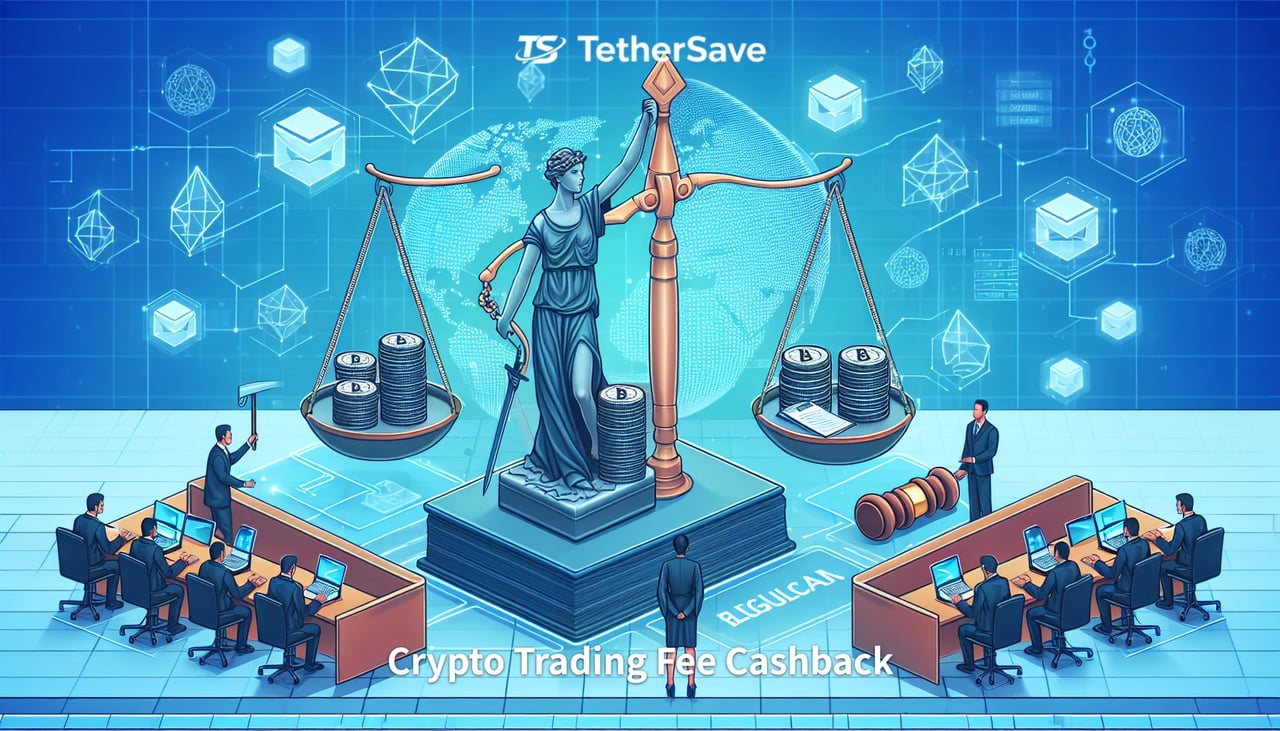
The Tornado Cash case is emblematic of the broader debate on privacy within the blockchain space. Privacy tools are essential for safeguarding user data, yet they also pose challenges in preventing illegal activities. The crypto community is watching closely as this case unfolds, seeking guidance on how to align privacy solutions with regulatory expectations.
For developers and entrepreneurs in the blockchain arena, the message is clear: while innovation is encouraged, it must be pursued with an awareness of legal frameworks. As blockchain technology continues to evolve, so too will the legal landscape, requiring ongoing dialogue between tech innovators and regulators.
Conclusion
The rejection of Roman Storm's motion by the DOJ serves as a reminder of the complexities involved in integrating privacy solutions within the existing legal framework. As the case progresses, it will likely influence how future privacy-centric projects are developed and regulated. For stakeholders in the crypto ecosystem, staying informed and adaptable will be key to navigating these regulatory challenges.