Ethereum's Role in AI's Decentralized Future
📚 Browse by Category
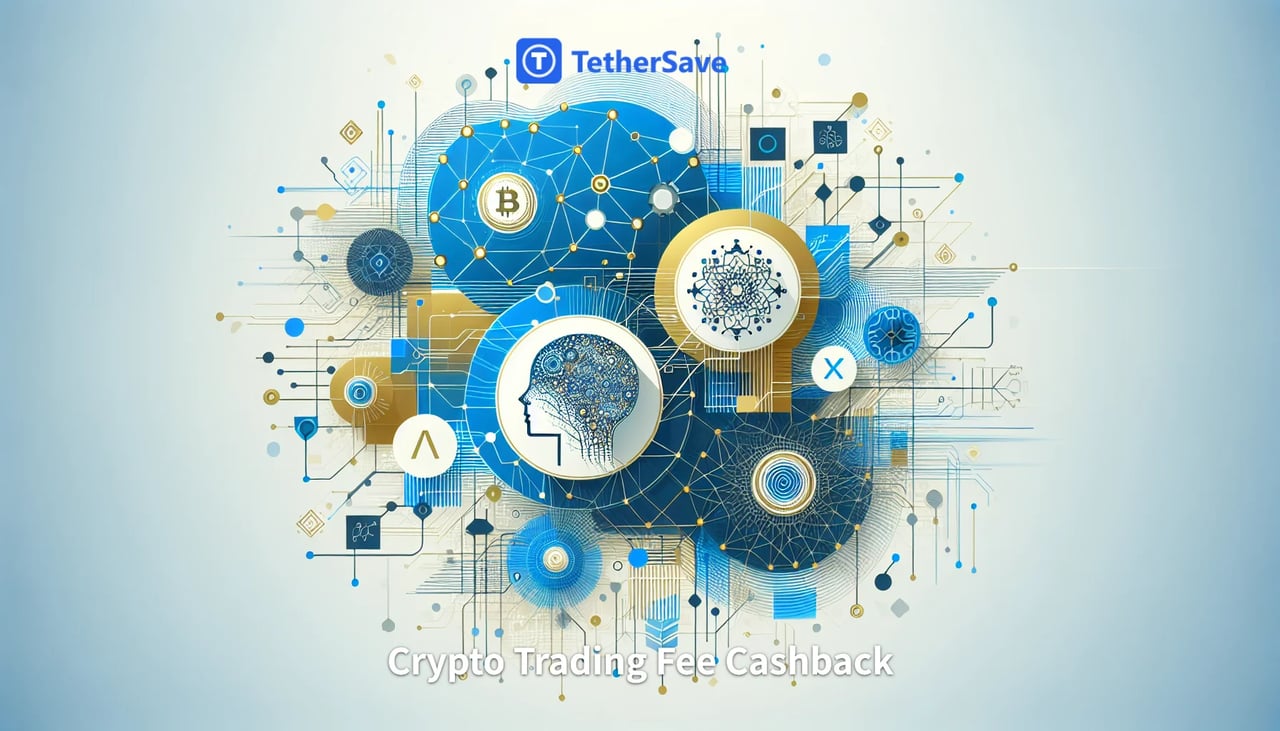
The intersection of blockchain and artificial intelligence (AI) presents intriguing possibilities, particularly within the realm of Ethereum. Ethereum's co-founder, Vitalik Buterin, envisions a future where the decentralized nature of blockchain can provide critical infrastructure to support AI technologies.
Ethereum's Potential in AI Integration
Ethereum, a leading blockchain platform, holds the potential to enhance AI by introducing privacy, verification, and economic incentives. The privacy features of blockchain can ensure that AI systems operate with greater transparency and security, safeguarding sensitive data from unauthorized access. Additionally, Ethereum's smart contracts could offer robust verification mechanisms, ensuring that AI algorithms perform as intended without tampering.
A decentralized economic layer could further facilitate AI development by providing a fair and transparent financial ecosystem. This could attract developers and innovators to build AI applications on Ethereum's platform, fostering a collaborative environment that prioritizes societal benefit over centralized control.
The Importance of Decentralization
In a world where centralized entities often control AI technologies, decentralization offers a promising alternative. By distributing control across a wide network, Ethereum can mitigate the risks associated with monopolistic AI entities. This approach not only democratizes access but also encourages ethical considerations in AI development.
Decentralization ensures that no single entity holds disproportionate power, potentially leading to fairer outcomes and reducing the likelihood of biased AI systems. With Ethereum's blockchain, every transaction and decision can be recorded on a public ledger, promoting accountability and trust.

Challenges and Opportunities
While the integration of AI and blockchain is promising, it is not without challenges. Scalability remains a significant hurdle for Ethereum, as increased usage demands more robust infrastructure. However, ongoing developments such as Ethereum 2.0 aim to address these concerns by transitioning from a proof-of-work to a proof-of-stake model, which could enhance transaction speed and efficiency.
Moreover, regulatory considerations must be taken into account as governments worldwide grapple with the implications of decentralized technologies. Striking a balance between innovation and compliance will be crucial for Ethereum's role in AI's future.
In conclusion, Ethereum has the potential to reshape the AI landscape by providing essential tools for decentralization. Its privacy, verification, and economic capabilities could drive the development of AI systems that are transparent, secure, and beneficial to society. As these technologies continue to evolve, the synergy between blockchain and AI could unlock new opportunities for innovation and collaboration.